Short answer
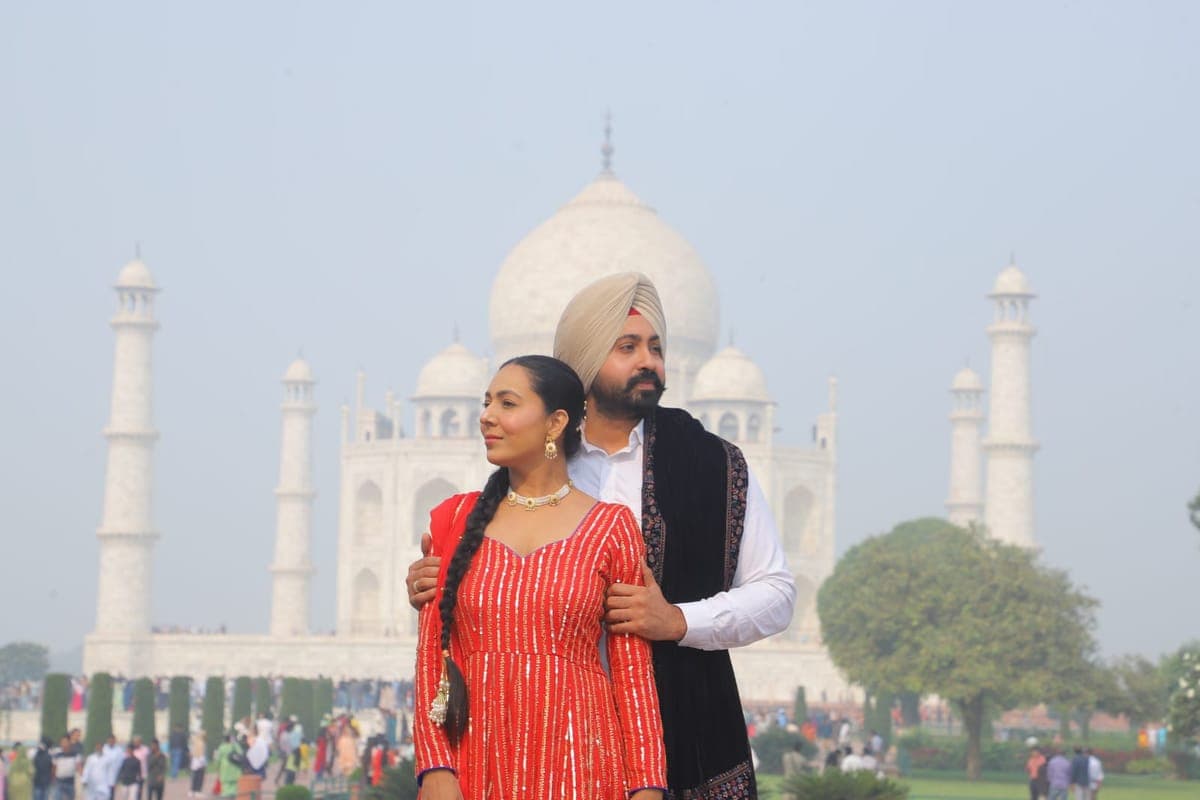
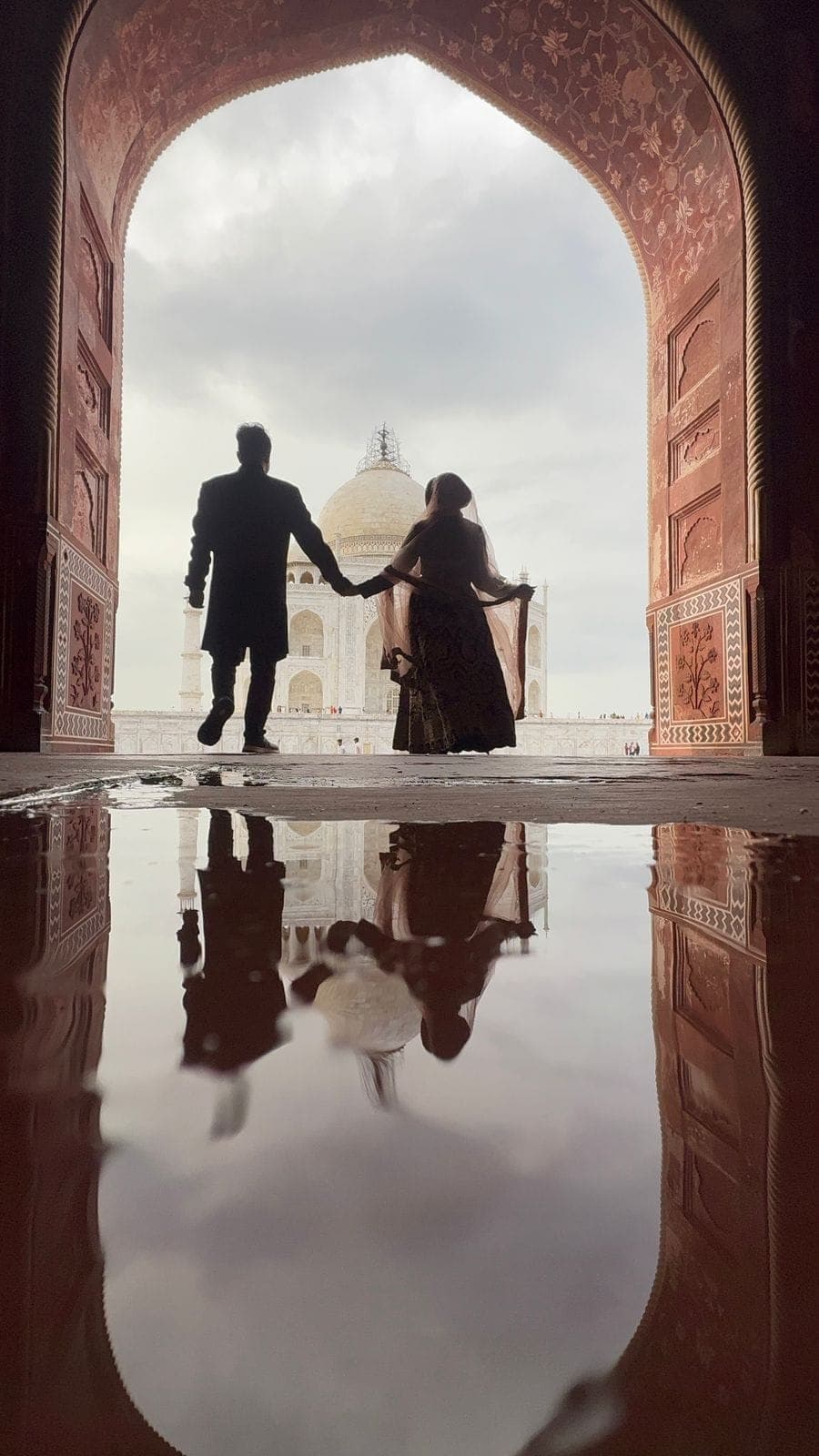
A five-day Golden Triangle works best as: two nights in Delhi, the drive to Agra on day three with Fatehpur Sikri on the way, sunrise at the Taj Mahal on day four, then Jaipur by evening for two nights. The usual itinerary reverses Agra and Jaipur and puts the Taj Mahal in the middle of the afternoon, which is the one hour of the day white marble photographs worst.
The schedule
| Day | Where, and why then |
|---|---|
| 1 — Delhi | Humayun’s Tomb at opening, Lodhi Gardens late afternoon. Both are soft-light buildings |
| 2 — Delhi | Old Delhi in the morning while the lanes are still cool, Qutub Minar at golden hour |
| 3 — Delhi → Agra | Leave at ten, Fatehpur Sikri at three when the sandstone is warm, Agra by seven |
| 4 — Agra | Taj Mahal at gate opening, Agra Fort at eleven, Mehtab Bagh at sunset. Drive to Jaipur after, or the next morning |
| 5 — Jaipur | Amber Fort at opening, Panna Meena ka Kund mid-morning, Hawa Mahal from the café opposite at first light if you have a sixth day |
Why most itineraries put the Taj Mahal in the wrong hour
Tour operators route the Golden Triangle by driving distance, which makes Agra a lunch stop between two cities. That lands you at the monument between noon and three, when the marble is a flat blown-out white, the queues are longest and the temperature from March onwards makes standing on that platform genuinely unpleasant.
Moving Agra to a morning costs you nothing but a hotel booking, and it is the single change that improves the photographs from the whole trip.
What to cut
- The marble inlay "factory" visits added to cheap tours — they are commission stops, not sights
- Akshardham, unless you specifically want it: no cameras are allowed inside at all
- A second Delhi monument on day three; the drive is four hours and arriving in daylight matters more
- Elephant rides at Amber Fort, on welfare grounds alone — the jeep goes to the same gate
Where the photographer fits
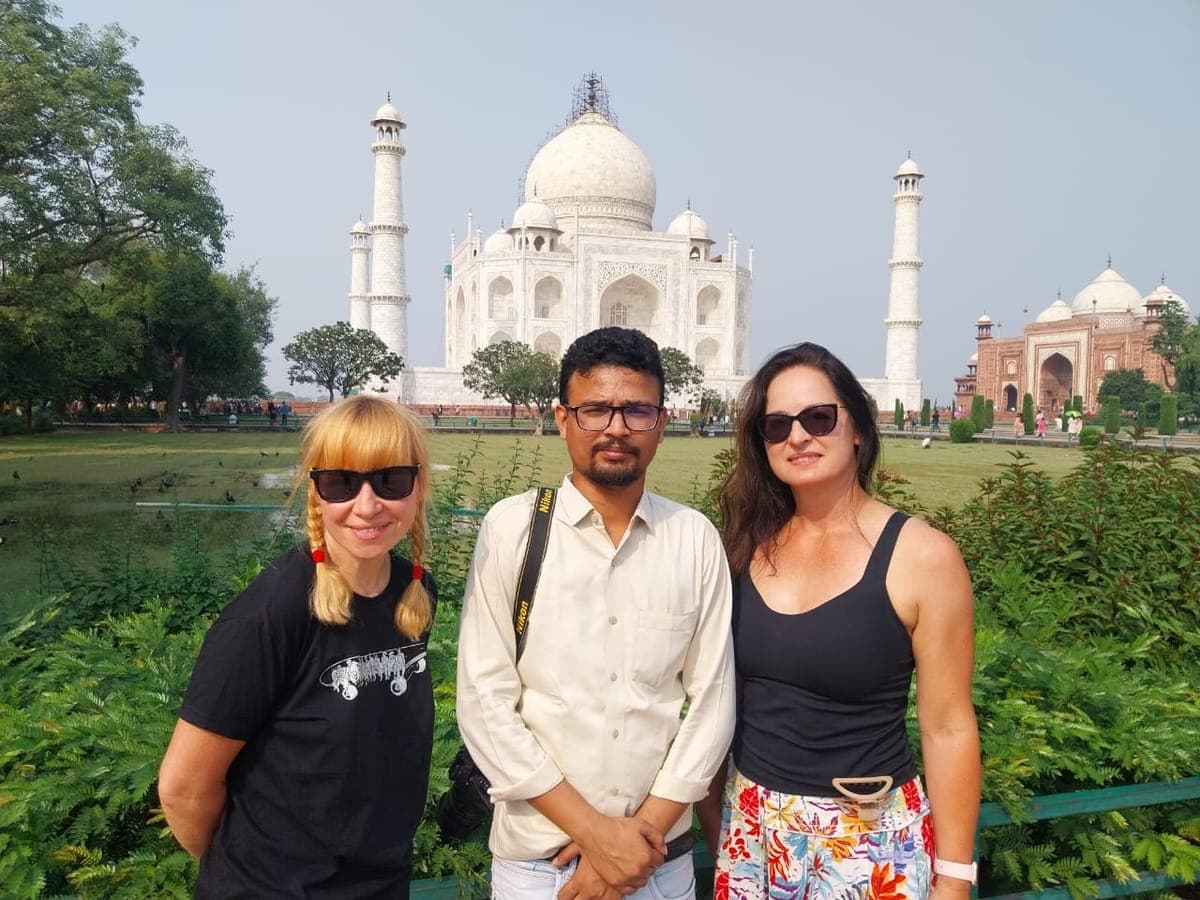
A photographer is worth it where the permit matters and the light is short — which on this route means Agra. Inside the Taj Mahal complex, professional equipment only passes security with a Ministry of Tourism permit, and the usable light lasts about forty minutes.
Delhi and Jaipur are different: the monuments there allow ordinary cameras without special permission, so most travellers shoot those themselves and book the photographer for the Agra morning.
If you only have three days
Delhi evening, Agra at sunrise on day two, Jaipur on day three. It is tight but it keeps the one fixed point — the monument at first light — and gives up the parts of Delhi and Jaipur that photograph well in any light anyway.
Questions we get asked
Which direction should I travel, Delhi → Agra → Jaipur or the reverse?
Delhi → Agra → Jaipur. It puts the drive from Delhi in the middle of the day and the Taj Mahal on a morning you have slept before, and it leaves you in Jaipur for the flight home.
Can I do the Golden Triangle by train?
Delhi–Agra and Agra–Jaipur both have good trains, but the timetable decides your day rather than the light. A car costs more and buys the schedule back.
How many days is enough?
Five is comfortable, four works, three is the minimum that still gives you a sunrise in Agra. Anything less and Agra becomes a lunch stop again.