Taj Mahal Photography Guides
Permits, light, outfits and locations — answered by the photographer who stands at the gate at 5:30 every morning, not by a travel blog that has never been.
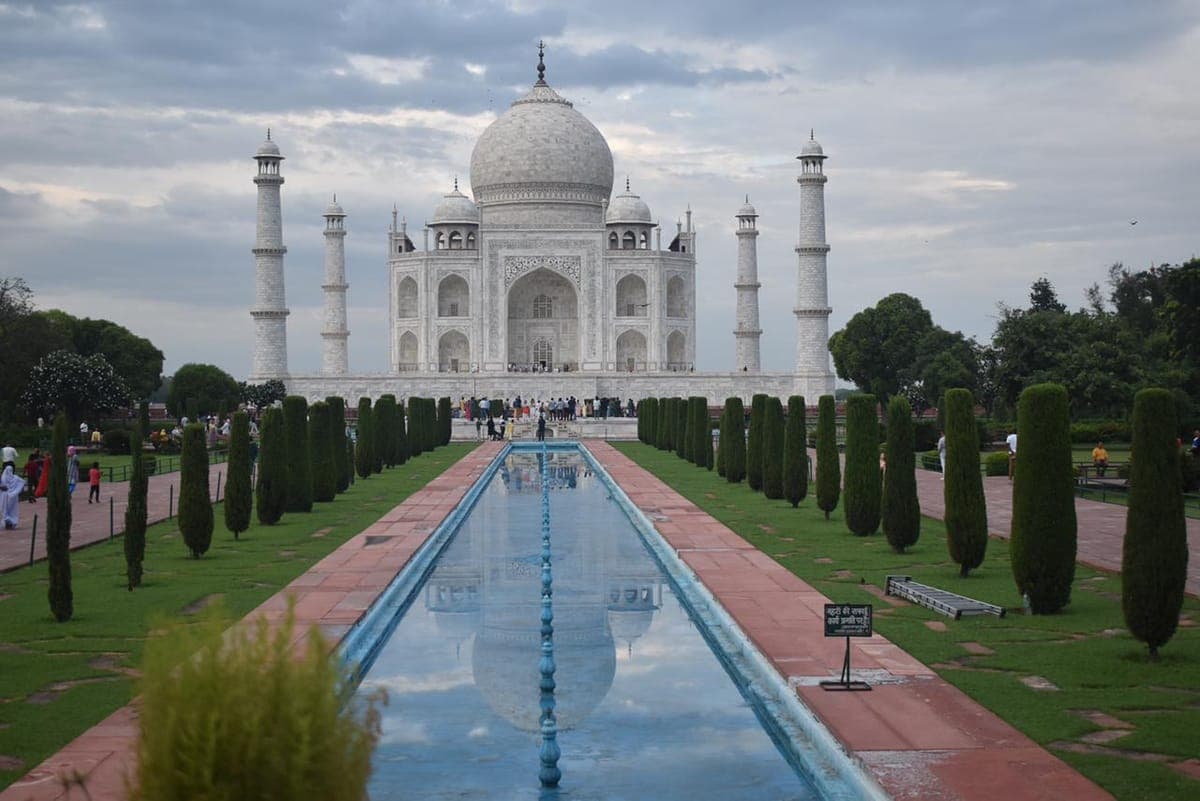
Taj Mahal Photography Permit: What You Actually Need in 2026
Who needs a permit, what it costs, what equipment is refused at the gate, and the one rule that surprises almost every couple.
Read the guide→
 Planning
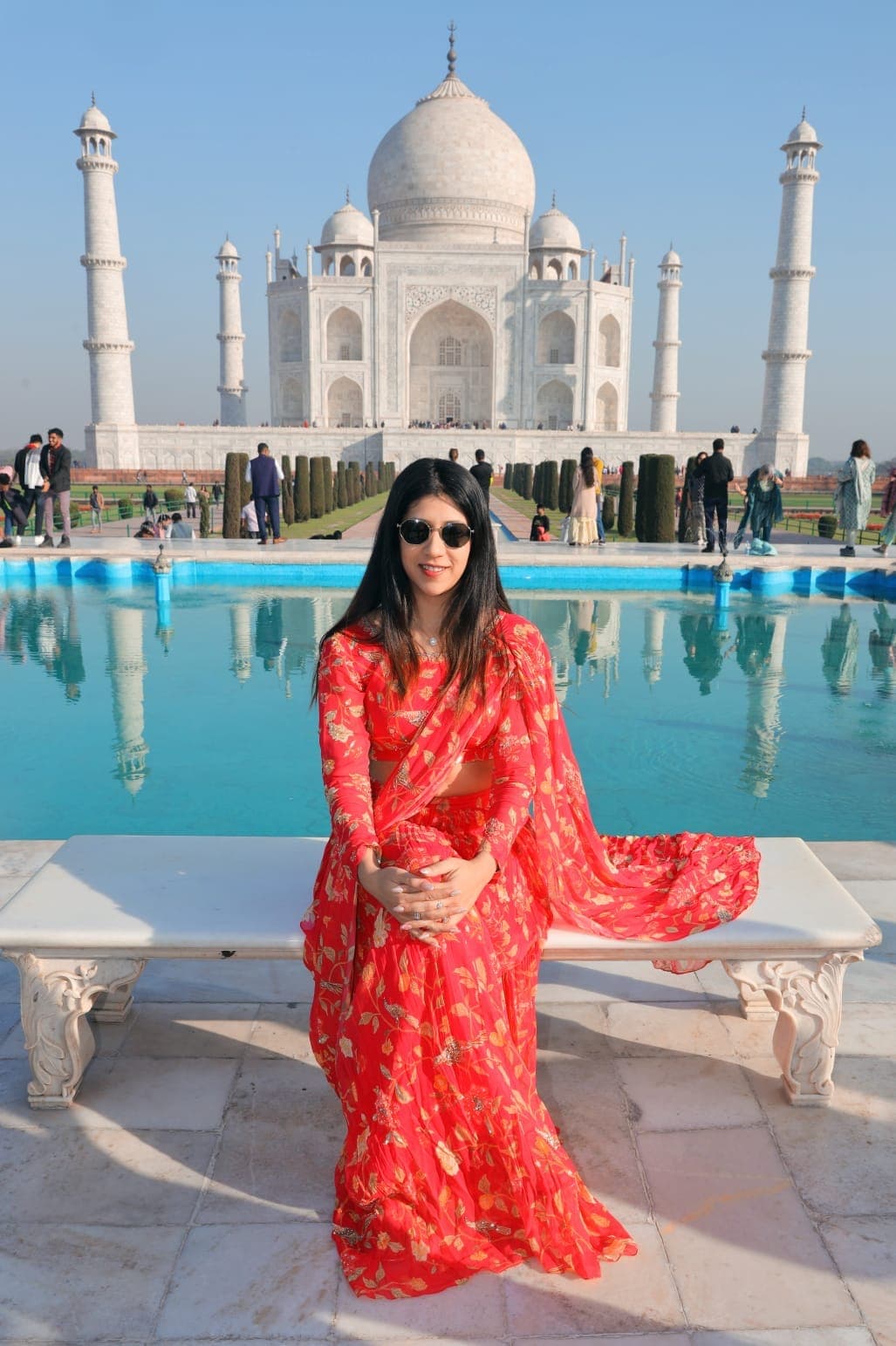
The Best Time to Photograph the Taj Mahal, Month by Month
Sunrise beats every other hour of the day, and not by a small margin. Here is why, plus what each month actually looks like through a lens.
 Planning
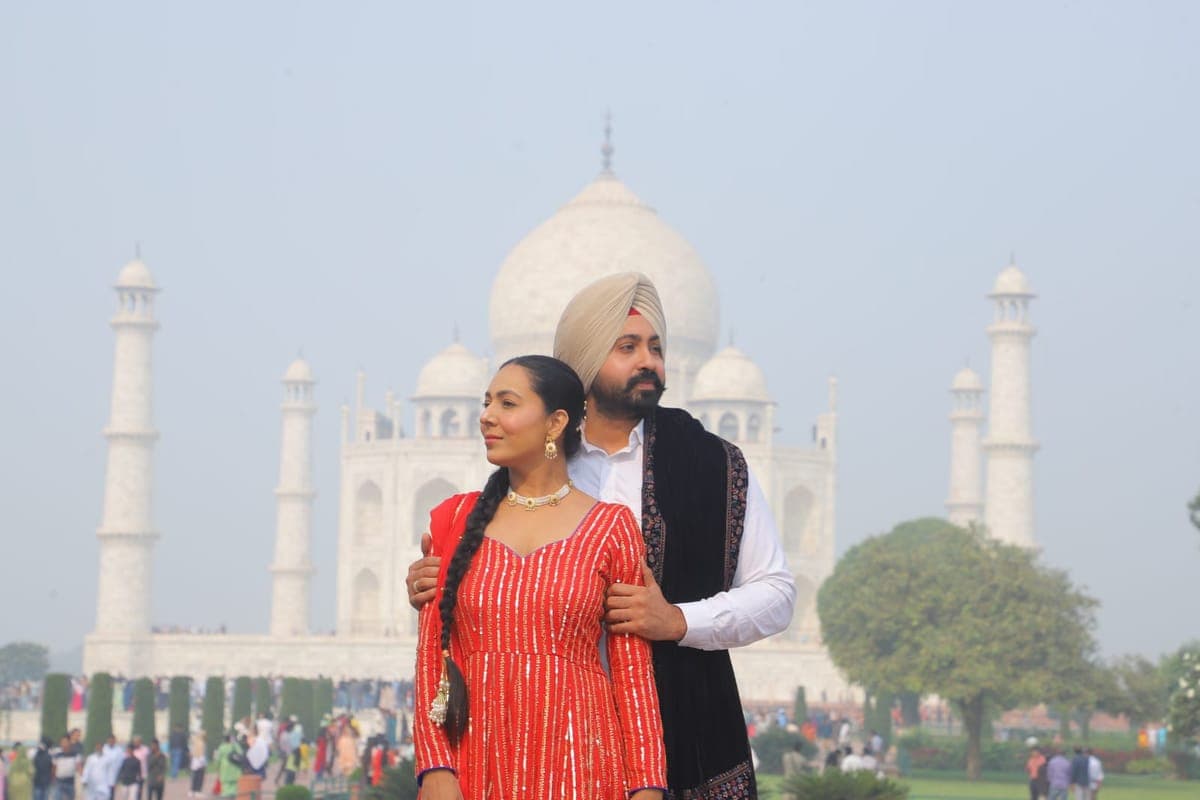
What to Wear for a Taj Mahal Photoshoot
The marble is white, the light is bright, and the walk is long. What photographs beautifully against the Taj Mahal, and what quietly ruins the frame.
 Planning
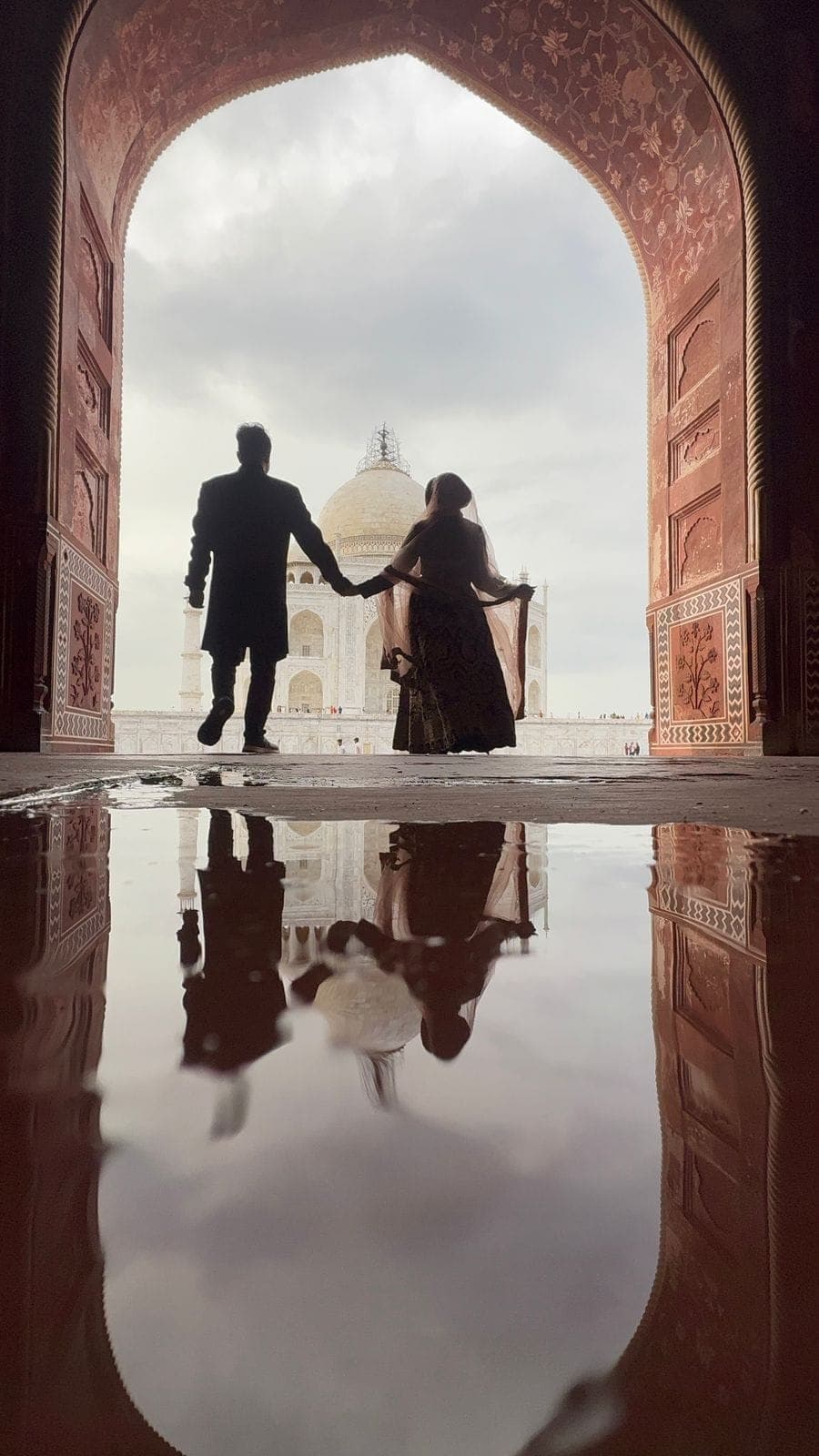
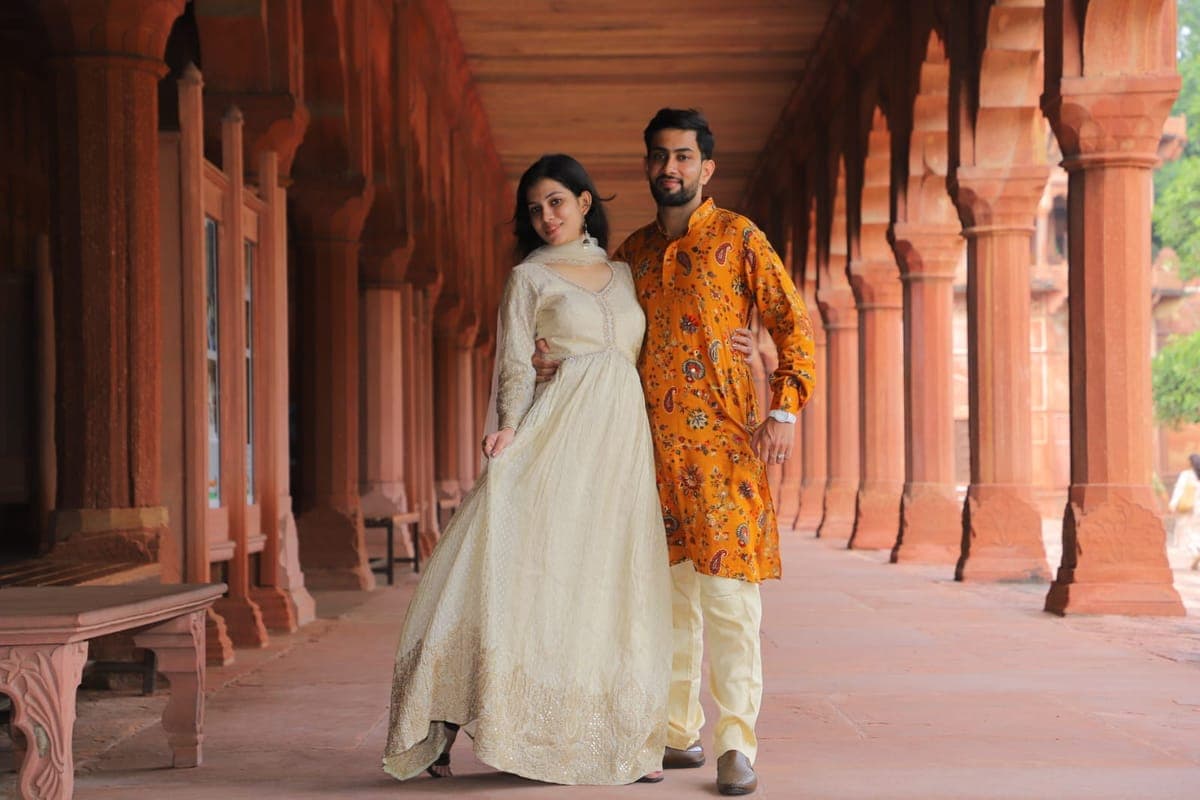
 a Pre-Wedding Shoot at the Taj Mahal
Permits, timing, outfit changes, and the realistic schedule for a couple who want the photographs without spending the whole day on them.
 Locations
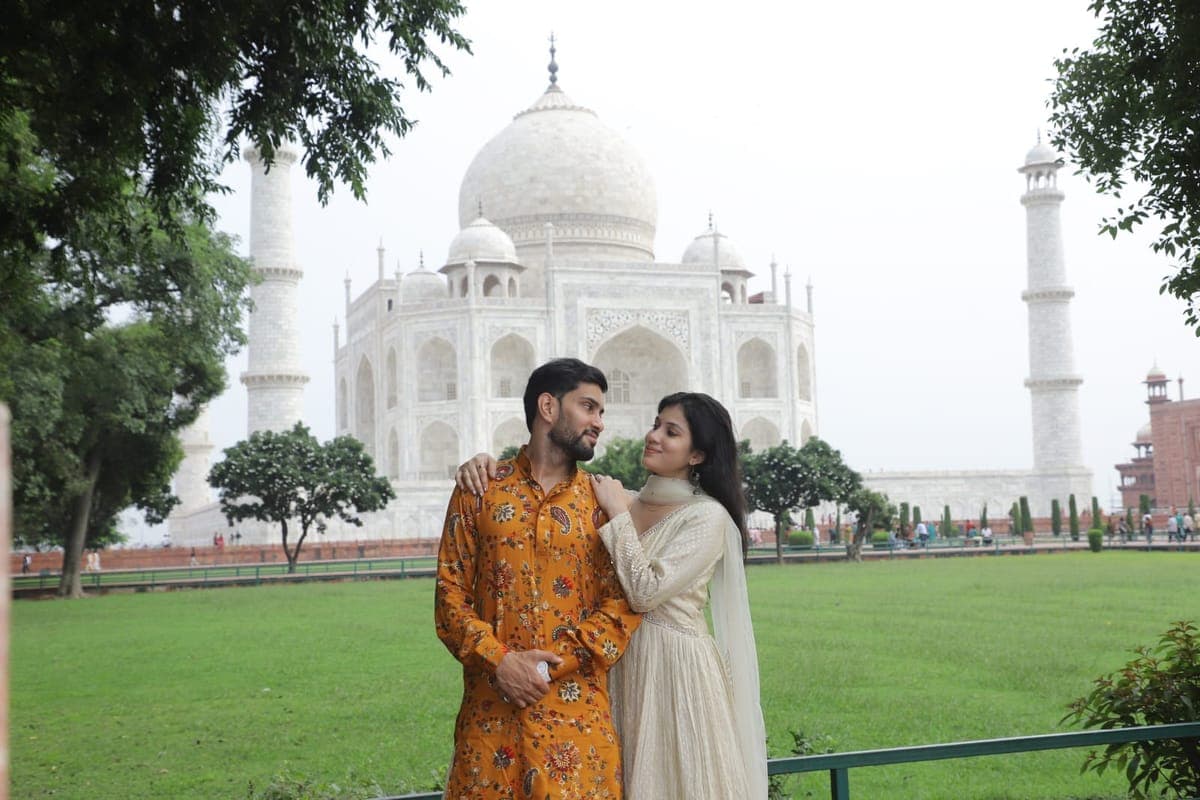
Five Photo Locations in Agra That Are Not the Taj Mahal
Agra Fort, Mehtab Bagh, Itmad-ud-Daulah and two more — where to shoot when the monument is closed, crowded, or simply photographed already.
 Technique
Camera Settings for the Taj Mahal: What Actually Matters
White marble against a bright sky breaks most automatic exposure. The settings that hold detail in both, through the morning.
 Planning
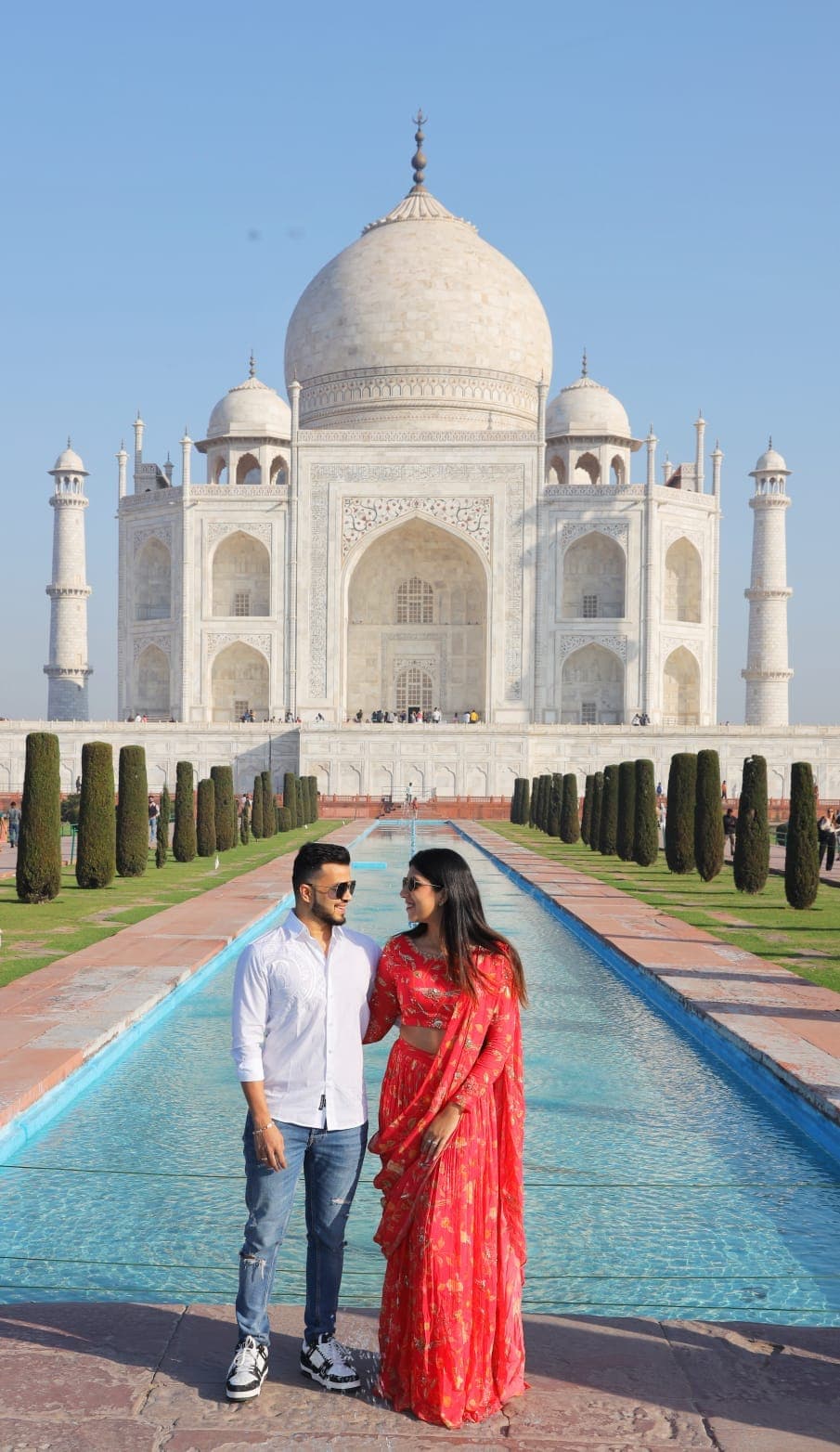
Delhi to Agra in a Day: The Honest Version
A same-day Taj Mahal trip from Delhi is a sixteen-hour day. What it involves, what it costs, and when it is worth doing anyway.
 Planning
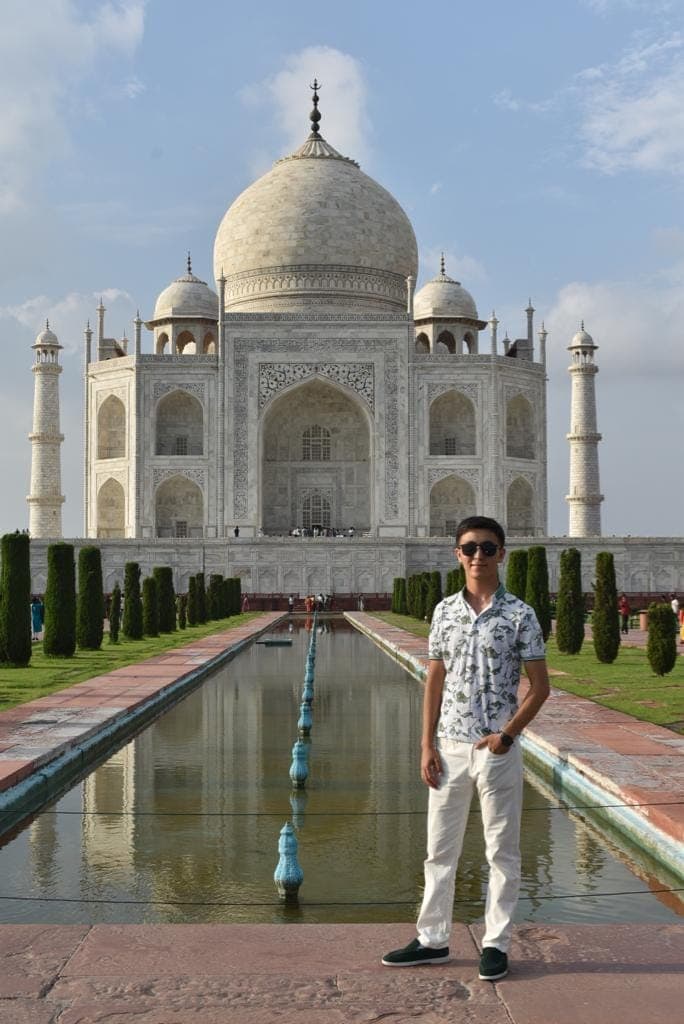
How Much Does a Taj Mahal Photographer Cost in 2026?
Real numbers for every kind of shoot, what is bundled into them, what is charged separately, and the three ways a cheap quote gets expensive at the gate.
 Rules & permits
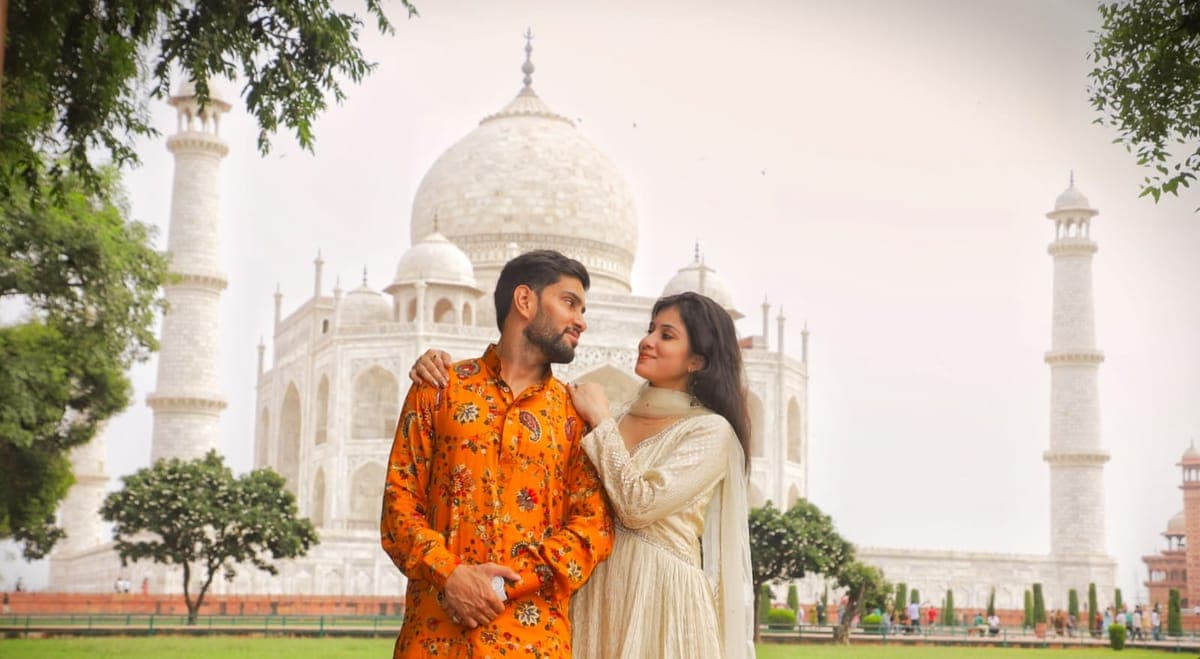
Taj Mahal Tickets, Timings and Gates: The Practical Guide
Ticket prices by nationality, the real opening time at sunrise, which of the three gates to use, and the extra ticket most visitors do not know about.
 Locations
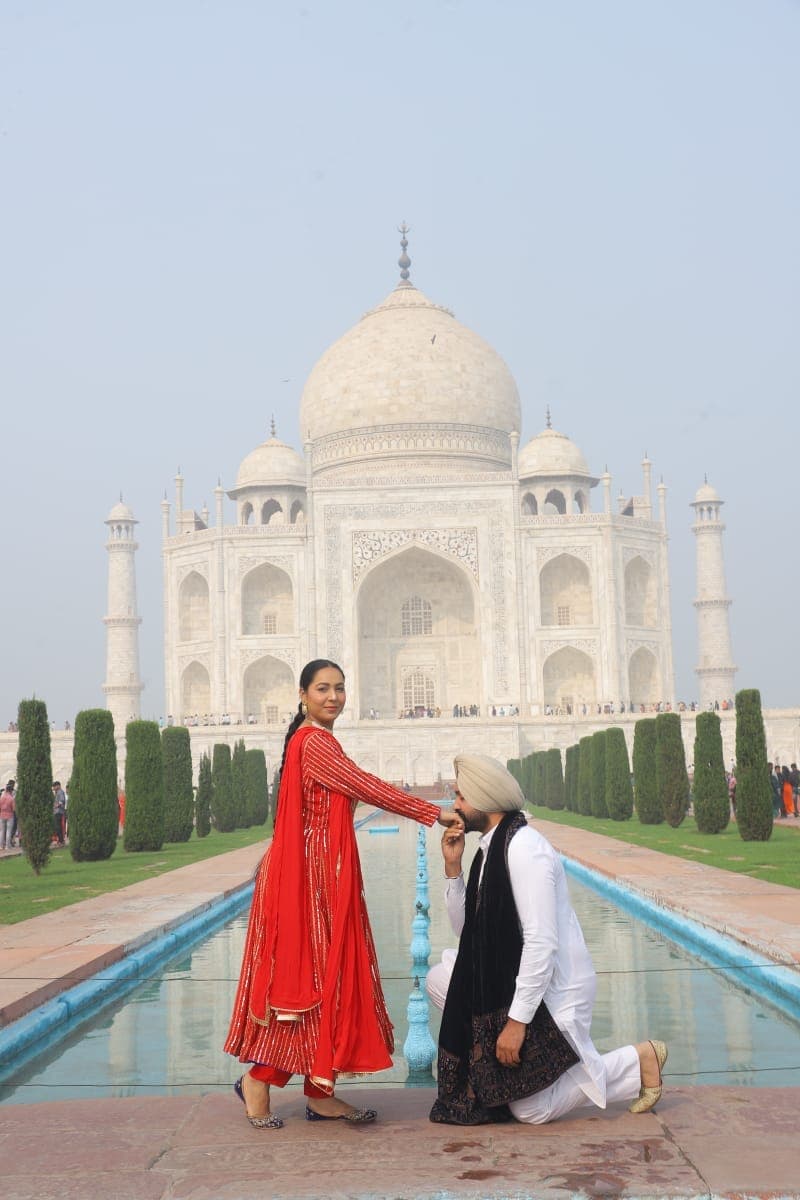
The Nine Best Photo Spots at the Taj Mahal, in Order
The exact positions worth your first hour, the order to walk them in, and which ones are empty at 6 a.m. and unusable by 8.
 Rules & permits
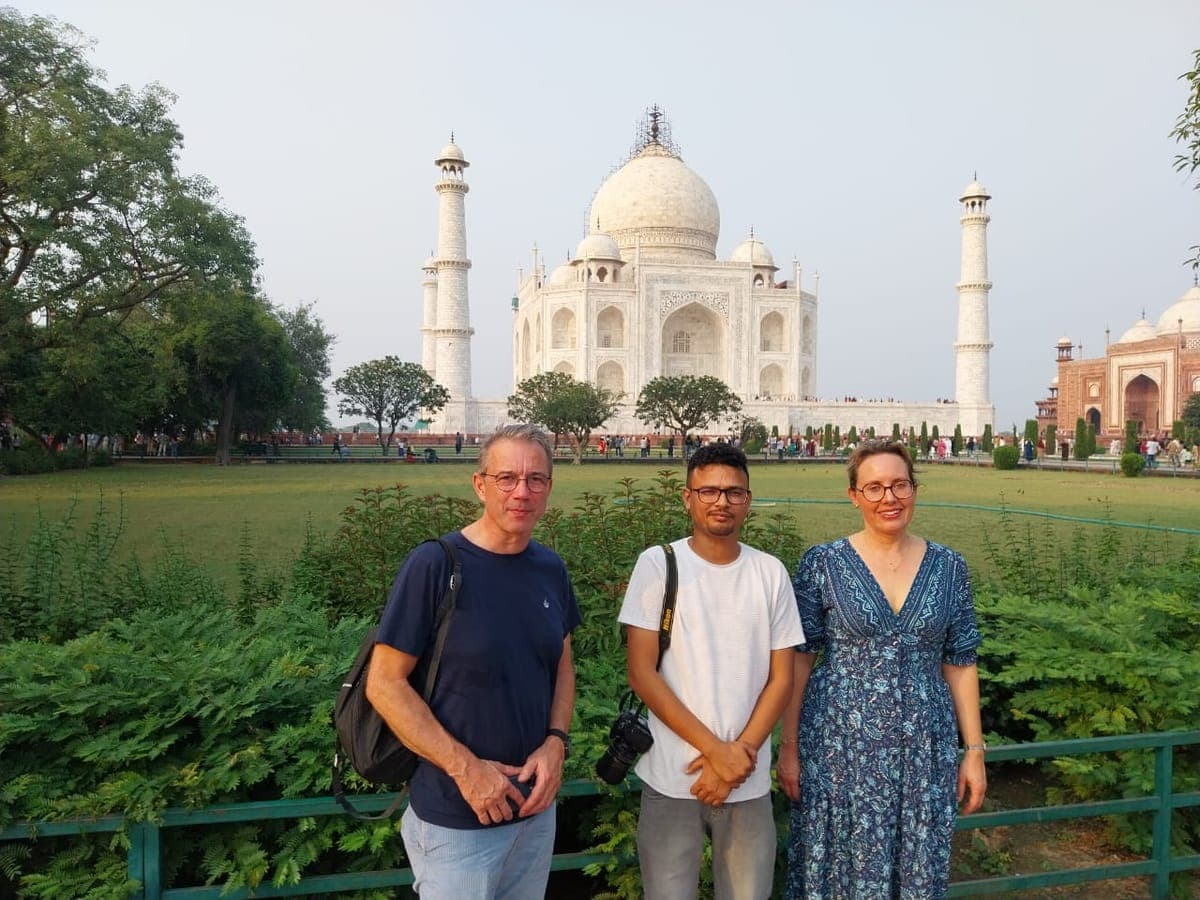
Drones, Tripods and GoPros at the Taj Mahal: What Is Allowed
A straight list of what passes security, what is confiscated, what needs a permit, and what carries a criminal penalty rather than a refusal.
 Planning
One Day in Agra: A Photographer’s Itinerary, Hour by Hour
A schedule built around light rather than opening times — sunrise at the Taj, the fort when the walls go warm, and the river view at dusk.
 Technique
Fog, Monsoon and Haze: Photographing the Taj Mahal in Bad Weather
What December fog actually does to a sunrise slot, why July is underrated, and how to get a frame worth keeping when the monument is barely visible.
PlanningJaipur to Agra: Planning the Drive Around the Light
The 240km drive, what time you actually have to leave for a sunrise shoot, the two stops worth breaking the journey for, and when to stay the night instead.
 Planning
The Golden Triangle, Planned Around Light Instead of Distance
Delhi, Agra and Jaipur in five days, scheduled so each monument gets the hour it was built for — and the two days most itineraries waste.
PlanningFlying In for the Weekend: Mumbai, Bengaluru or Hyderabad to the Taj Mahal
A 36-hour plan that gets you from a Friday evening flight to a sunrise session and home by Sunday night, with the connection times that actually work.
Rules & permitsCan You Really Do a Pre-Wedding Shoot at the Taj Mahal? The Honest Answer
Half the internet says yes, half says it is banned. Both are describing different things. Here is where the line actually falls, and which side of it a normal couple session sits on.
PlanningA Maternity Shoot at the Taj Mahal: What to Plan For
The walk is longer than it looks, the marble gets hot, and the best light is at an hour nobody wants to wake for. How to make it comfortable and still get the photographs.
 Planning
Family Photographs at the Taj Mahal, Three Generations at Once
Where twelve people actually fit in frame, how to keep grandparents comfortable and children interested, and the twenty minutes that decide whether you get the group shot.
Quick answers
One paragraph each. The full reasoning is in the guide behind it.
Taj Mahal Photography Permit: What You Actually Need in 2026
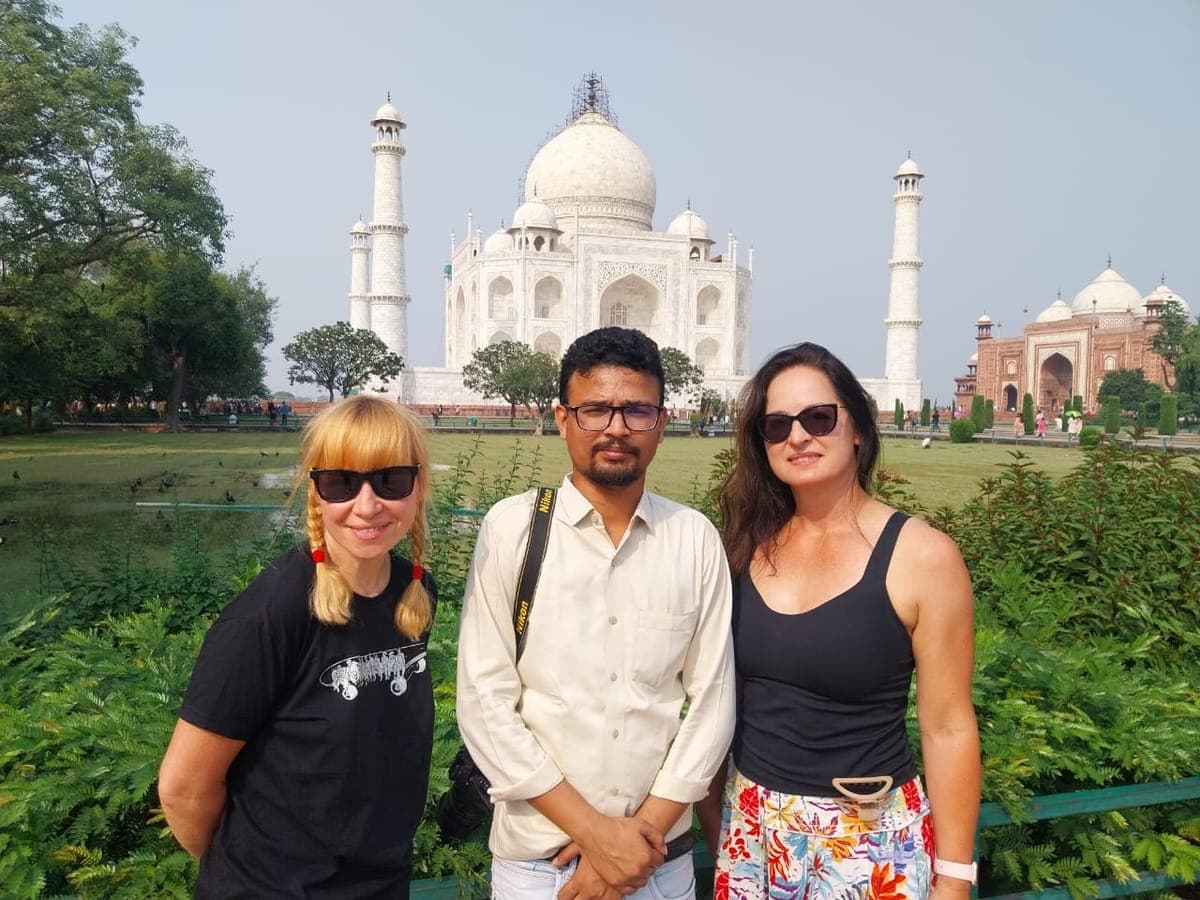
Casual photography with a phone or a small camera needs no permit at the Taj Mahal. A permit issued by the Ministry of Tourism is required to bring professional equipment — tripods, external flash, multiple lenses — through security, and only a licensed photographer can hold one. Photography is never permitted inside the main mausoleum chamber, and a guide is not allowed to accompany a photographer inside the complex.
Full guide →The Best Time to Photograph the Taj Mahal, Month by Month
Sunrise is the best time to photograph the Taj Mahal. The marble takes warm colour for roughly forty minutes after the gates open, the crowds are a fraction of midday, and the light is soft enough to hold detail in both the white marble and the sky. October to March gives the clearest air; April and May are harsh and hot; July and August bring dramatic monsoon skies but unreliable mornings.
Full guide →What to Wear for a Taj Mahal Photoshoot
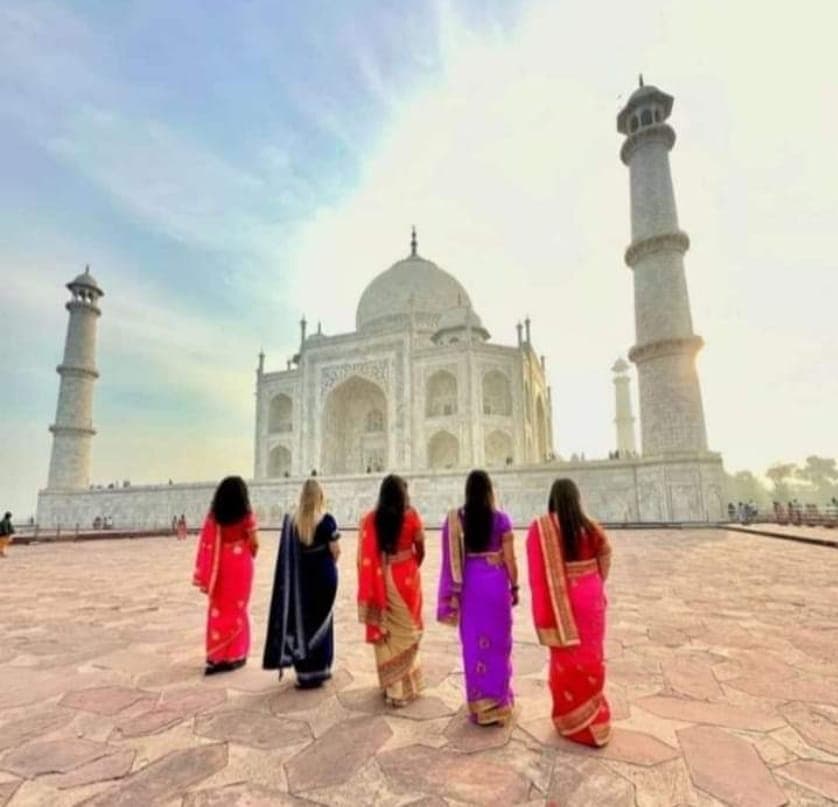
Strong, saturated colour photographs best against the white marble of the Taj Mahal — deep red, mustard, emerald, royal blue. Avoid white and pale cream, which disappear into the monument, and avoid small busy prints, which turn to noise at a distance. Flowing fabric that catches movement is worth more in these photographs than any logo or embellishment.
Full guide →Planning a Pre-Wedding Shoot at the Taj Mahal
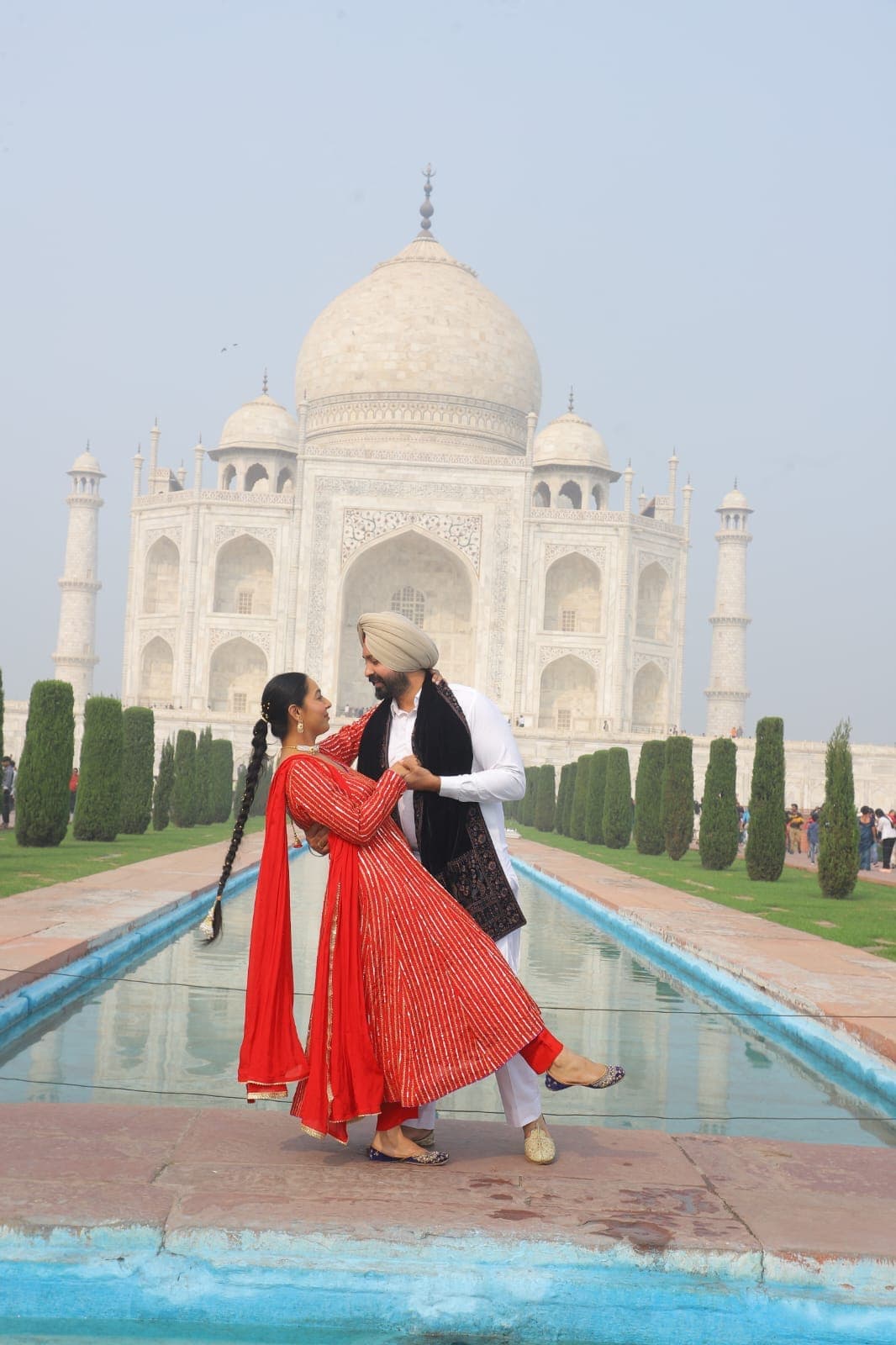
A pre-wedding shoot at the Taj Mahal takes a 2+ hour session starting before sunrise, a licensed photographer who holds the permit, and outfit changes planned outside the gates. Book the date at least two weeks ahead in peak season, allow a spare morning between December and February for fog, and expect the strongest frames in the first forty minutes after the gates open.
Full guide →Five Photo Locations in Agra That Are Not the Taj Mahal
The strongest photography locations in Agra besides the Taj Mahal are Agra Fort for red sandstone colonnades and the balcony view of the Taj, Mehtab Bagh for sunset from across the river, Itmad-ud-Daulah for intricate marble inlay without crowds, Fatehpur Sikri for scale, and the Yamuna riverbank behind the Taj for the view most visitors never see.
Full guide →Camera Settings for the Taj Mahal: What Actually Matters
Expose for the marble, not the scene. Automatic metering sees a bright subject against a bright sky and underexposes faces or blows out the monument. Shoot one stop under in the first light, use a mid aperture around f/8 for architecture and f/2.8 for portraits, keep ISO at base while the light allows, and shoot RAW — the dynamic range between white marble and a dawn sky is where JPEGs fall apart.
Full guide →Delhi to Agra in a Day: The Honest Version
A same-day Taj Mahal trip from Delhi means leaving around 2:30am, reaching Agra for sunrise, and returning to Delhi by early evening — roughly sixteen hours, of which four to five are driving each way on the Yamuna Expressway. It works if you want the monument at its best without moving hotels, and it is genuinely hard if you are jet-lagged.
Full guide →How Much Does a Taj Mahal Photographer Cost in 2026?
A professional photographer at the Taj Mahal costs between $89 and $499 USD depending on the package. A two-hour sunrise session is $120 and includes 120+ edited photos; a couple or pre-wedding session starts at $199; a guide and photographer together start at $89 for up to five guests; a full day covering the Taj Mahal, Agra Fort and the sunset view is $499. Monument entry tickets are always separate and are set by the Archaeological Survey of India, not by the photographer.
Full guide →Taj Mahal Tickets, Timings and Gates: The Practical Guide
The Taj Mahal opens about 40 minutes before sunrise and closes at sunset, and is closed every Friday. Tickets are ₹50 for Indian nationals, ₹540 for SAARC and BIMSTEC nationals and ₹1,100 for other foreign nationals, plus ₹200 for the separate ticket that allows you onto the main mausoleum plinth. The East Gate has the shortest sunrise queue; the South Gate does not open until 8 a.m.
Full guide →The Nine Best Photo Spots at the Taj Mahal, in Order
The nine positions worth shooting are, in the order to walk them: the Great Gate arch, the central reflecting pool, the Diana bench, the long side canal, the plinth steps, the marble inlay detail on the mausoleum wall, the mosque arches to the west, the jawab arches to the east, and the river-side wall behind the monument. Walking them in that order keeps you ahead of the crowd, which fills the central axis first.
Full guide →Drones, Tripods and GoPros at the Taj Mahal: What Is Allowed
Drones are completely banned at the Taj Mahal: the complex sits inside a no-fly zone and flying one is an offence, not merely a refused item. Tripods, monopods, external flash and professional lighting are refused at security for visitors and permitted only to a photographer holding a Ministry of Tourism permit. A phone, a single handheld camera and a GoPro without a stabiliser or pole are allowed, and photography is prohibited inside the main mausoleum chamber regardless of equipment.
Full guide →One Day in Agra: A Photographer’s Itinerary, Hour by Hour
A photographer’s day in Agra runs: Taj Mahal at gate opening for the first ninety minutes of light, breakfast while the midday haze builds, Agra Fort from 10 a.m. for the Khas Mahal view across to the monument, a break through the hard light of early afternoon, Itimad-ud-Daulah at 4 p.m. for the carved marble, and Mehtab Bagh across the river for sunset. The Taj Mahal is closed on Fridays, which reverses the whole order.
Full guide →Fog, Monsoon and Haze: Photographing the Taj Mahal in Bad Weather
Winter fog in Agra, heaviest from mid-December to late January, can hide the Taj Mahal completely until 9 or 10 a.m., which removes the sunrise window rather than softening it. Monsoon months from July to September bring dramatic cloud, saturated reflections and the lowest visitor numbers of the year, with rain usually falling in short bursts rather than all day. Both conditions are workable, but they call for different frames: fog rewards the gate arch and silhouettes, monsoon rewards wide skies and the reflecting pool.
Full guide →Jaipur to Agra: Planning the Drive Around the Light
Jaipur to Agra is about 240 kilometres and takes four to five hours by road on the Jaipur–Agra highway (NH21), or roughly two hours by train on the Gatimaan Express. To photograph the Taj Mahal at sunrise you cannot do it as a same-day drive from Jaipur: the gates open around 6 a.m. and leaving Jaipur at 1 a.m. buys you a sleepless shoot. Either drive in the afternoon before and stay one night in Agra, or take the morning train and shoot the following dawn.
Full guide →The Golden Triangle, Planned Around Light Instead of Distance
A five-day Golden Triangle works best as: two nights in Delhi, the drive to Agra on day three with Fatehpur Sikri on the way, sunrise at the Taj Mahal on day four, then Jaipur by evening for two nights. The usual itinerary reverses Agra and Jaipur and puts the Taj Mahal in the middle of the afternoon, which is the one hour of the day white marble photographs worst.
Full guide →Flying In for the Weekend: Mumbai, Bengaluru or Hyderabad to the Taj Mahal
From Mumbai, Bengaluru or Hyderabad, a weekend at the Taj Mahal works as a Friday evening flight to Delhi, a three-hour transfer to Agra that night, a sunrise session on Saturday, and a Sunday flight home from Delhi. Agra has its own airport with limited flights, so most travellers fly into Delhi and drive. Do not plan the shoot for Friday: the Taj Mahal is closed every Friday.
Full guide →Can You Really Do a Pre-Wedding Shoot at the Taj Mahal? The Honest Answer
A couple can be photographed together at the Taj Mahal by a photographer holding the Ministry of Tourism permit, dressed as they like, as ordinary visitors — that is what most people mean by a pre-wedding shoot and it happens every morning. What is not allowed without separate written permission from the Archaeological Survey of India is a commercial production: lighting rigs, props, sets, crews, drones, or an outfit change on site. The two are confused constantly, which is why you will read that it is both freely allowed and completely banned.
Full guide →A Maternity Shoot at the Taj Mahal: What to Plan For
A maternity shoot at the Taj Mahal is best done at sunrise, when the temperature is lowest and the complex is empty. Plan for about 1.5 kilometres of walking on flat paths from the gate to the plinth and back, with benches throughout and a wheelchair available free at the gate. Photography follows the ordinary visitor rules: arrive dressed, no props or lighting, and no photography inside the burial chamber.
Full guide →Family Photographs at the Taj Mahal, Three Generations at Once
For a family group at the Taj Mahal, book the gate opening and take the group photograph in the first twenty minutes — there are only two or three positions where a group of eight to twelve fits with the whole monument behind, and they fill with visitors by seven. Golf carts cover the outer stretch, wheelchairs are free at the gate, and children under fifteen enter free. Individual and couple portraits are made afterwards, while a guide takes the rest of the family through the site.
Full guide →