Short answer
Sunrise is the best time to photograph the Taj Mahal. The marble takes warm colour for roughly forty minutes after the gates open, the crowds are a fraction of midday, and the light is soft enough to hold detail in both the white marble and the sky. October to March gives the clearest air; April and May are harsh and hot; July and August bring dramatic monsoon skies but unreliable mornings.
Why sunrise is not just a nice idea
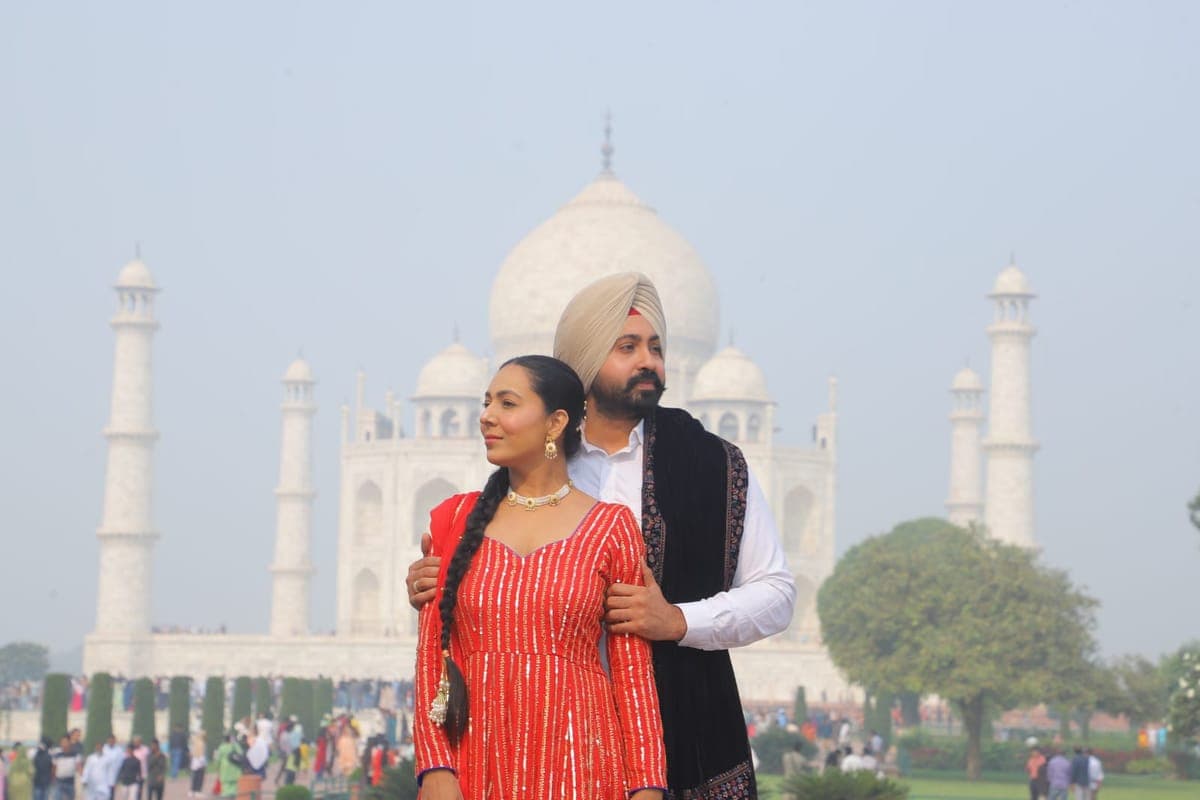
Three things happen at once in the first hour. The marble, which is flat and glaring at noon, picks up pink and gold and shows the inlay work that midday light destroys. The crowd that fills the central walkway by nine is still queuing outside. And the sun is low enough to light faces without forcing a choice between a blown-out sky and a dark subject.
By ten in the morning you are fighting all three. The photographs are still of the Taj Mahal, but they are the photographs everyone else has.
What each month gives you
| Months | What to expect |
|---|---|
| October – November | The best of the year. Clear air after the monsoon, warm light, comfortable mornings. |
| December – January | Beautiful light, but fog can hide the monument entirely until mid-morning. Build in a spare day if you can. |
| February – March | Reliable and clear, gardens at their best. Busy, so sunrise matters more. |
| April – June | Harsh light and real heat. Sunrise is not a preference here, it is the only sensible hour. |
| July – September | Monsoon. Dramatic cloud and saturated greens when it breaks, washed-out mornings when it does not. |
Fog in winter is the one real risk
December and January mornings in Agra can open with fog thick enough that the monument is invisible from the gate. It usually lifts between nine and eleven. If your trip falls in those months and the photographs matter, give yourself two mornings rather than one — the second is almost always clear, and nobody has ever regretted the spare day.
Sunset and the fifth option most people miss
Sunset inside the complex is warm but crowded, and you are shooting into the light for the classic view. Mehtab Bagh, the garden directly across the Yamuna, faces the monument from behind and catches the last light on the dome with almost nobody in the frame.
There is also full-moon night viewing, open on five nights each month and ticketed separately. It is a remarkable thing to see and a difficult thing to photograph — long exposures only, no tripod without a permit.
A practical sunrise timeline
- Thirty minutes before sunrise: be at the East Gate, not leaving the hotel
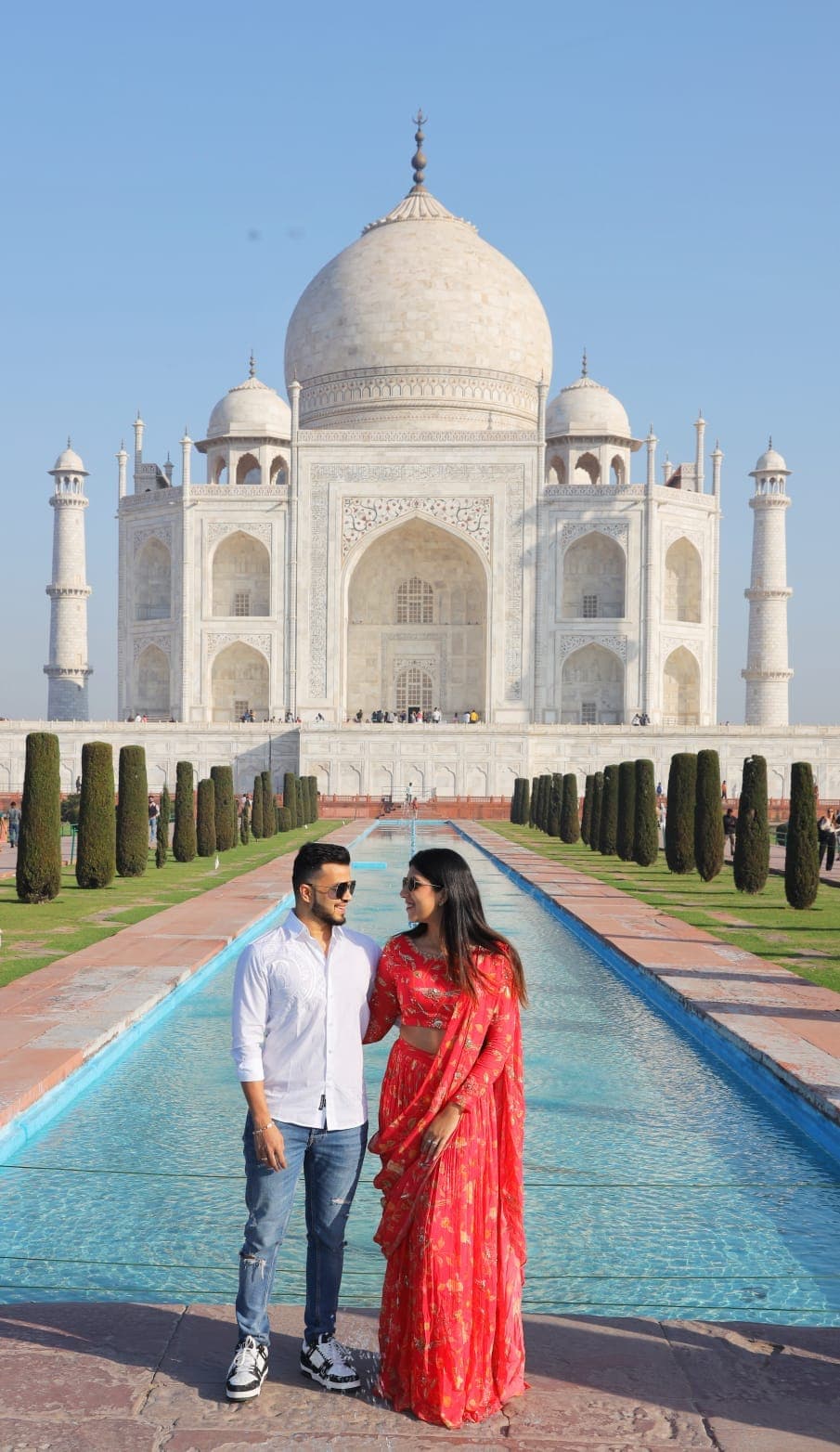
- Gates open: straight to the central pool before the walkway fills
- First forty minutes: the colour you came for — this is the window
- After that: the platform, the gardens, the side angles, the detail
Questions we get asked
What is the best time of day to photograph the Taj Mahal?
Sunrise. The marble takes warm colour for about forty minutes after the gates open, and the crowds are a fraction of what they are by mid-morning.
What is the best month to visit the Taj Mahal for photography?
October and November, for clear air after the monsoon and comfortable mornings. February and March are a close second.
Is the Taj Mahal foggy in winter?
Often, in December and January. Fog can hide the monument until mid-morning, so allow a spare day if your trip falls in those months.
Is the Taj Mahal closed on Fridays?
Yes. The Taj Mahal is closed to visitors every Friday.